Peonies / growing notes
When are peonies in season?
Garden peonies usually bloom from late spring into early summer. Each plant flowers for about two weeks; combining varieties with different bloom times gives you a longer display.
- New plants
- A new peony may not bloom its first spring. Flower numbers usually increase through the third and fourth years.
- Winter chill
- Mild winters can prevent peonies from getting enough winter chill to flower.
- Sun and soil
- Give peonies at least six hours of direct sun and well-drained soil. Shade and wet ground can reduce flowering.
- Plant or divide
- Fall is the best time to plant bare-root peonies or divide a mature clump. Division is optional.
Bloom timing and winter cold
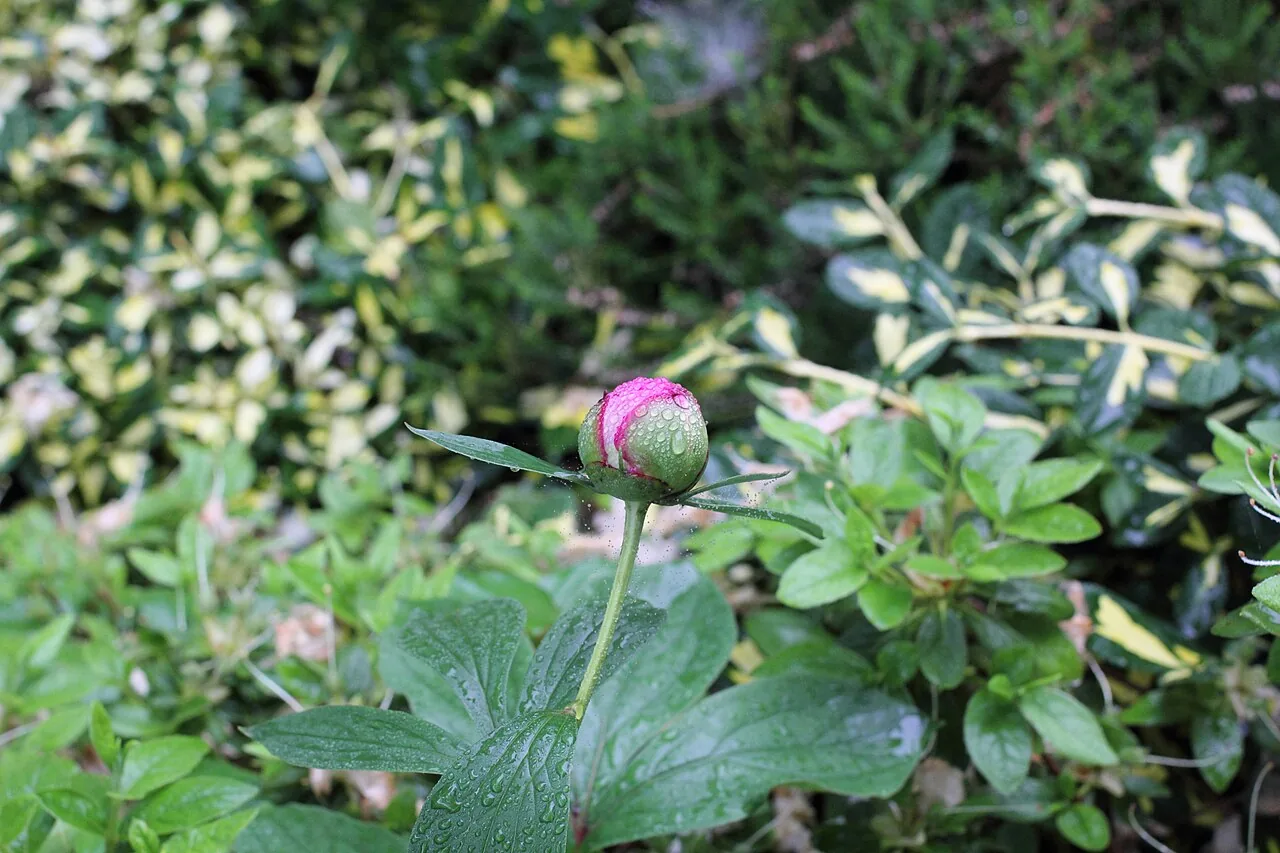
These peonies die back to the ground in winter and regrow in spring. Tree peonies keep woody stems and need different care.
Which months?
May to early June is typical in Iowa, a cold-winter garden example. Use those months as a regional reference; peony varieties and local growing conditions can give you a different flowering window.
A longer display
One plant has a short flowering season. To get flowers over more weeks, plant varieties described as early, midseason, and late flowering together. They will open at different times rather than all at once.
In warmer climates
Choose low-chill varieties where winters are mild. Keep their crowns shallow and avoid winter mulch that insulates the soil. A peony suited to a cold-winter garden may struggle to flower in a warmer one.
Watering and supporting peonies
Water when the soil is dry
Pay particular attention during bud growth and flowering: dry plants can form buds that fail to open. Water deeply to wet the root area, rather than giving the soil surface a light sprinkle.
Support heavy flowers
Put a peony ring or hoop in place in early spring, before the stems grow tall. Double flowers are especially likely to flop when wet. Single-flowered varieties have lighter blooms and often need less support.
Leave the ants alone
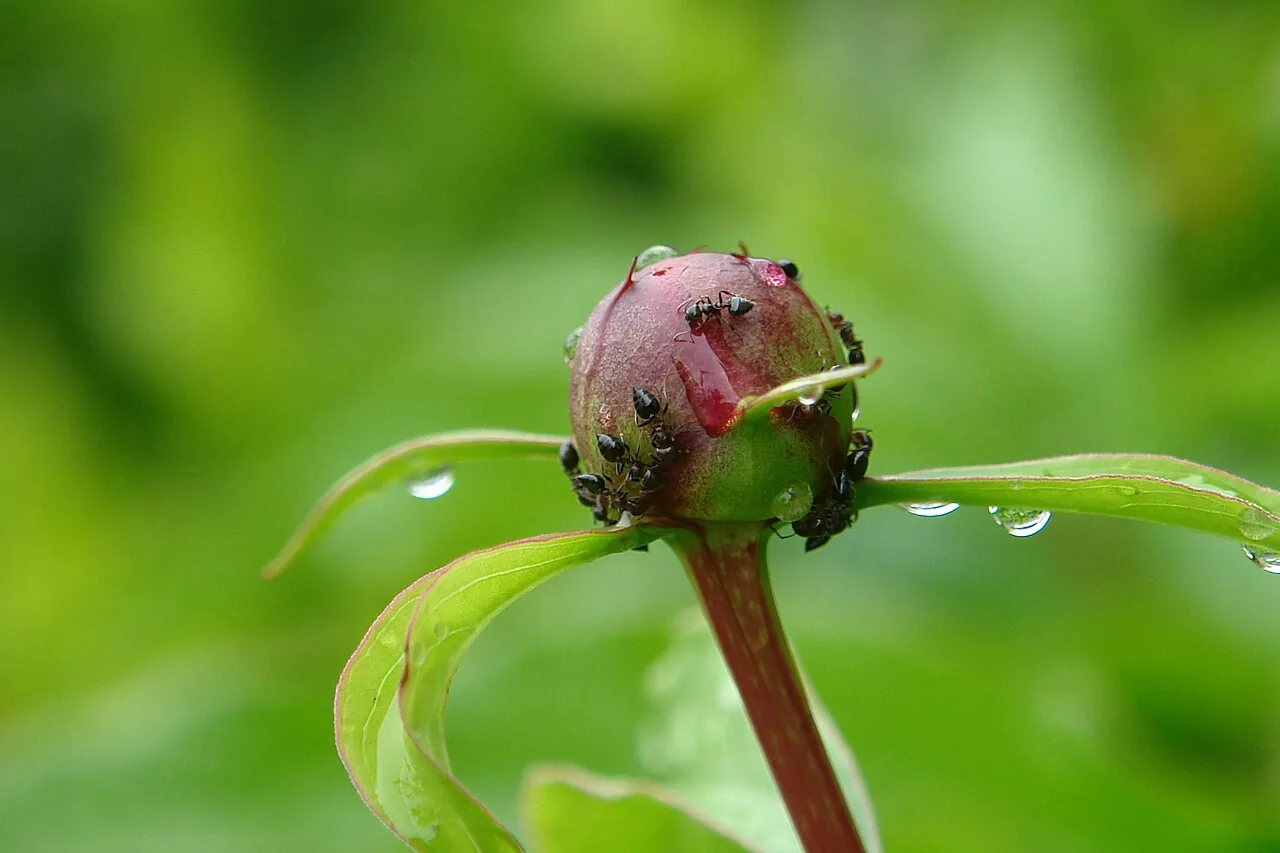
Ants visit peony buds for their sugary nectar. They are not needed to open the flowers, and their presence does not mean your plant has a problem. The buds can open without them.
Why isn’t my peony flowering?
Leaves, but no flowers
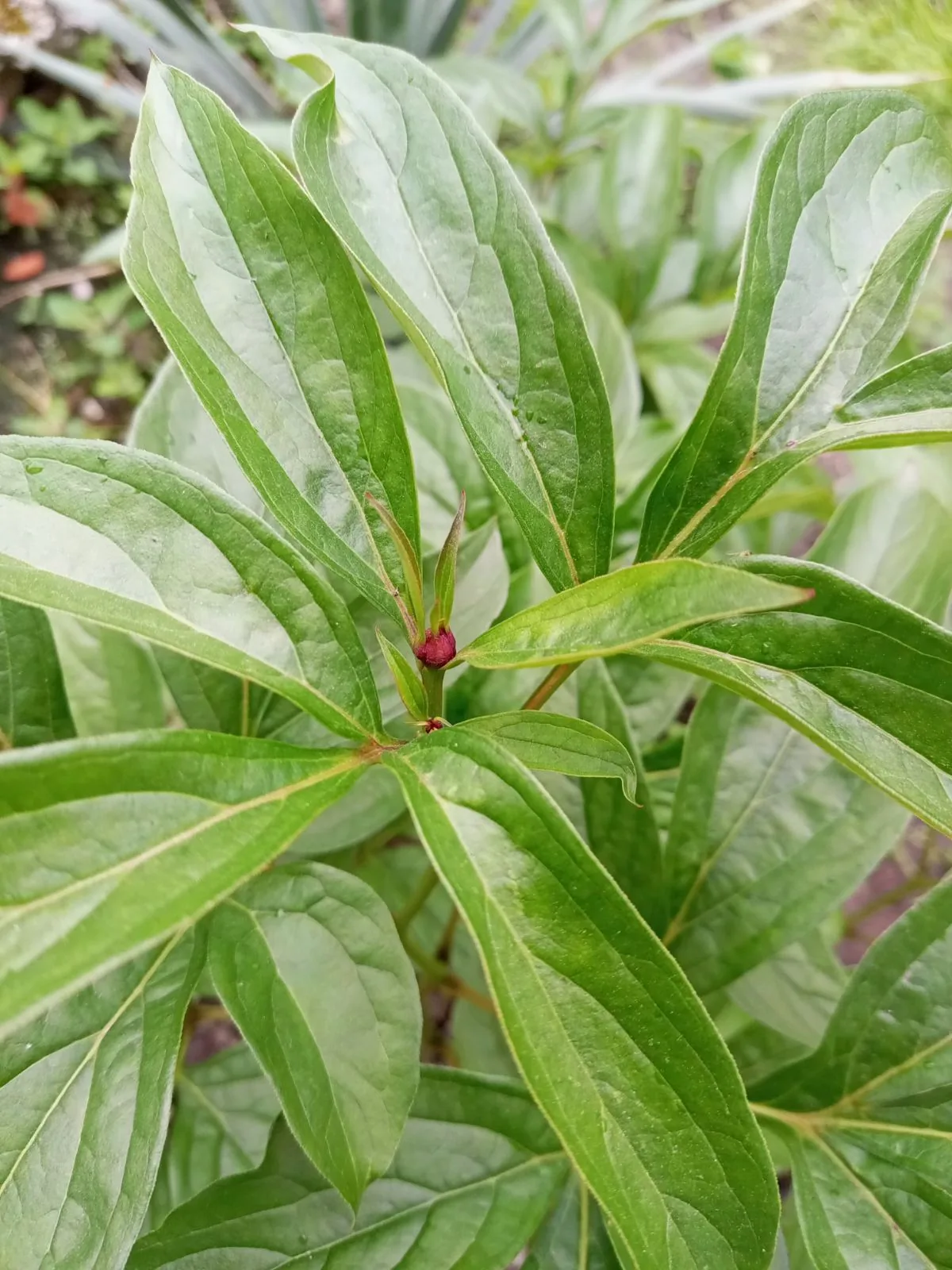
Check sunlight and planting depth first. Peonies can keep producing leaves in too much shade or when their buds are buried too deeply. Aim for at least six hours of direct sun and buds 1 to 2 inches below the surface. Too much nitrogen fertilizer can also favor leaves over flowers.
A recently moved plant
Moving or dividing a peony can interrupt flowering. Some plants take two or three years to settle back in. Give a healthy plant time to establish instead of repeatedly digging it up or adding more fertilizer.
Buds that never open
A late hard freeze can damage flower buds. Cool, wet conditions can also favor fungal diseases that attack them. Remove dead buds; if the problem repeats or you see damaged leaves, identify the cause before treating the plant.
After the flowers fade
Remove faded flowers
Snip off spent flower heads so the plant does not put energy into making seeds. This also keeps the plant tidy. Deadheading helps it save food in its roots for the next flowering season.
Keep the green leaves
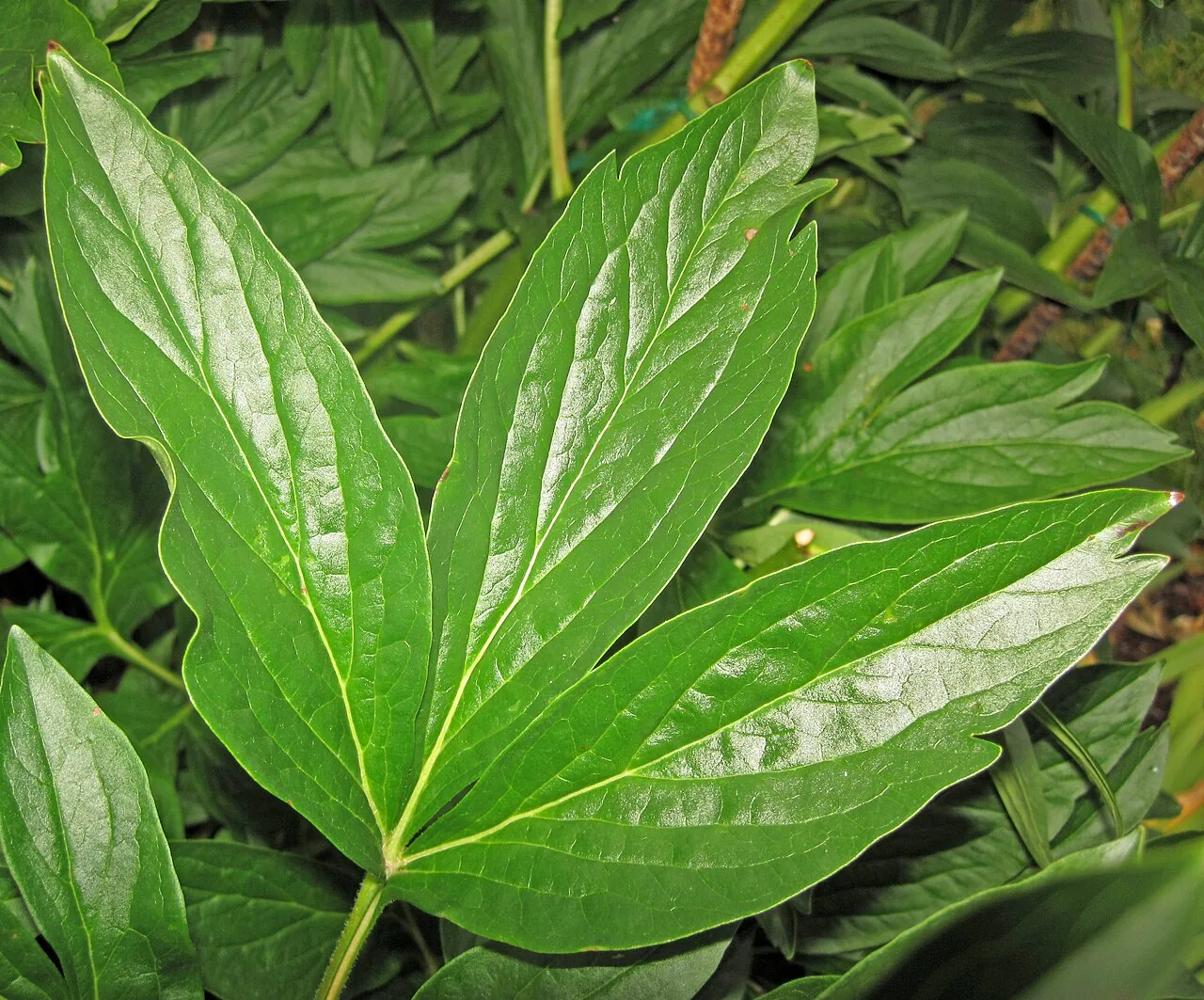
Do not cut the whole plant down when flowering ends. Removing healthy foliage in summer weakens a peony and can reduce next year’s flowers. Leave the leaves in place until frost, even when there are no flowers left.
Cut back in fall
After a hard freeze, cut the dead stems and leaves to ground level and clear away the debris. This helps reduce fungal disease the following year. This advice applies to peonies that die back in winter; tree peonies need different pruning.
Planting and dividing peonies
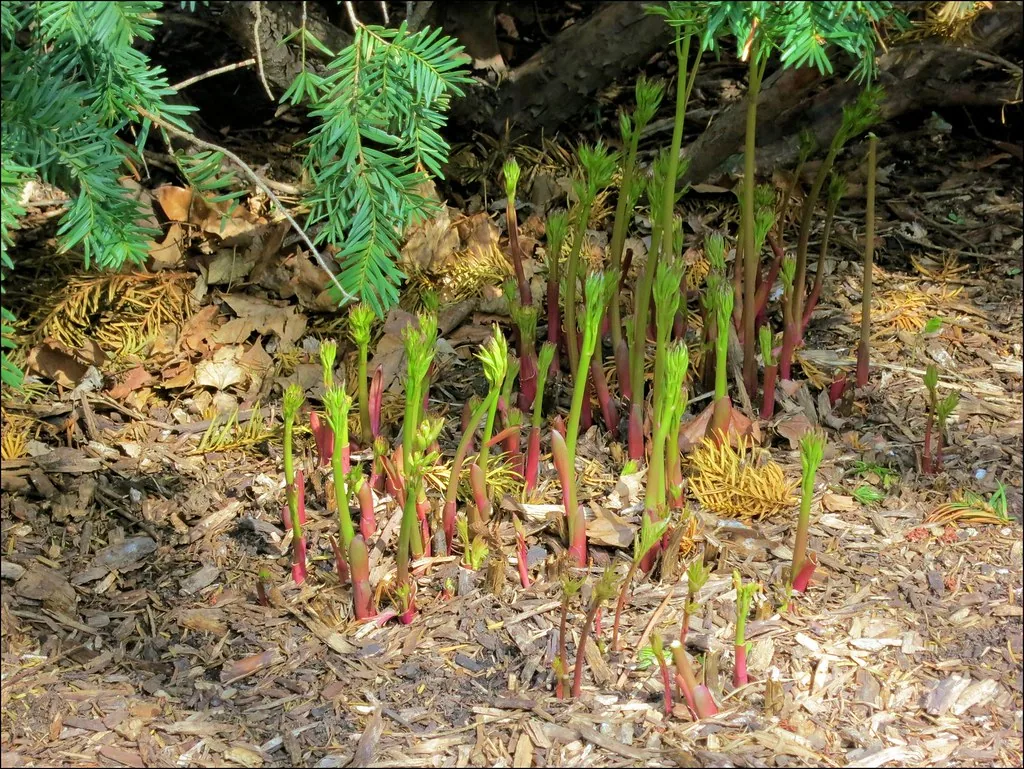
An established peony can stay in the same place for years. Divide it when you want additional plants or need to move it; this is not annual maintenance.
When to do it
Fall is the best time to plant bare-root peonies or divide an established clump. If the plant is growing and flowering well, there is no need to disturb it just because it has become large.
What dividing means
Dig up the root clump, shake off loose soil, and cut it into smaller pieces with a sharp knife. Keep three to five buds, also called eyes, and a good set of roots on each piece. Very small pieces can take several years to flower well.
Replant at the right depth
Give the roots enough room in the planting hole and set the buds 1 to 2 inches below the soil surface. Firm the soil and water thoroughly. Leave about 3 to 4 feet between plants so mature clumps have room.