Tulips / growing notes
When are tulips in season?
Garden tulips bloom from mid- to late spring. Early varieties flower first; later varieties extend the display into late spring.
- Bloom sequence
- Early tulips open first, followed by midseason and late varieties. Mixing them gives you flowers over more weeks.
- Winter cold
- Tulip bulbs need at least 12 weeks of cold temperatures before flowering. Mild winters may not provide enough cold.
- Sun and soil
- Give tulips full sun and soil that drains well. Bulbs can rot in ground that stays wet.
- After flowering
- Keep the leaves until they turn yellow. They make food for the bulb and next year’s growth.
Bloom timing and winter cold

Which months?
In Iowa, a cold-winter garden example, tulips can flower from early or mid-April into mid- or late May. The variety and spring weather affect those dates. Use that range as a regional reference for your own garden.
A longer display
Plant early, midseason, and late tulips together if you want flowers over several weeks. They open in sequence. A bed planted with just one variety will have a shorter, more concentrated display.
In warmer climates
Tulip bulbs need a cold period before they can bloom, whether you grow them indoors or outside. If your winters are mild, look for pre-chilled bulbs.
Planting tulips
Plant in fall
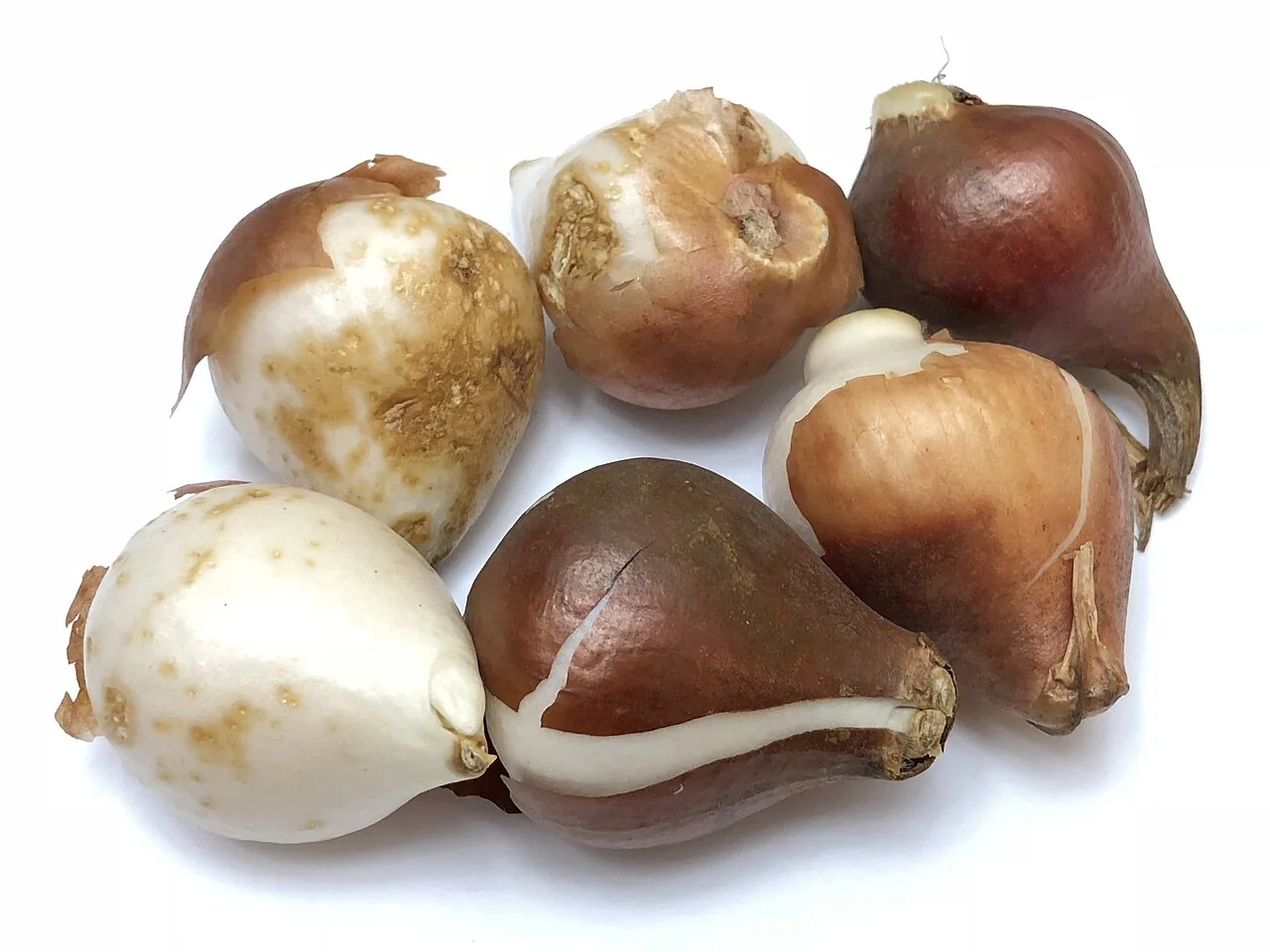
Plant dormant bulbs in fall so they can make roots before winter. Keep them cool and dry until planting. In cold-winter gardens, this prepares them for their first spring display.
Set the bulbs at the right depth
Plant tulips about three times as deep as the bulb is tall, with the pointed end facing up. Choose a sunny place with soil that drains freely. Wet soil around the bulb can cause rot.
Start with firm bulbs
Use firm, solid bulbs. Leave out any that feel soft, look moldy, or have shriveled badly. Larger bulbs generally give a stronger flower display than small ones.
Watering tulips and growing them in pots
Water during dry weather
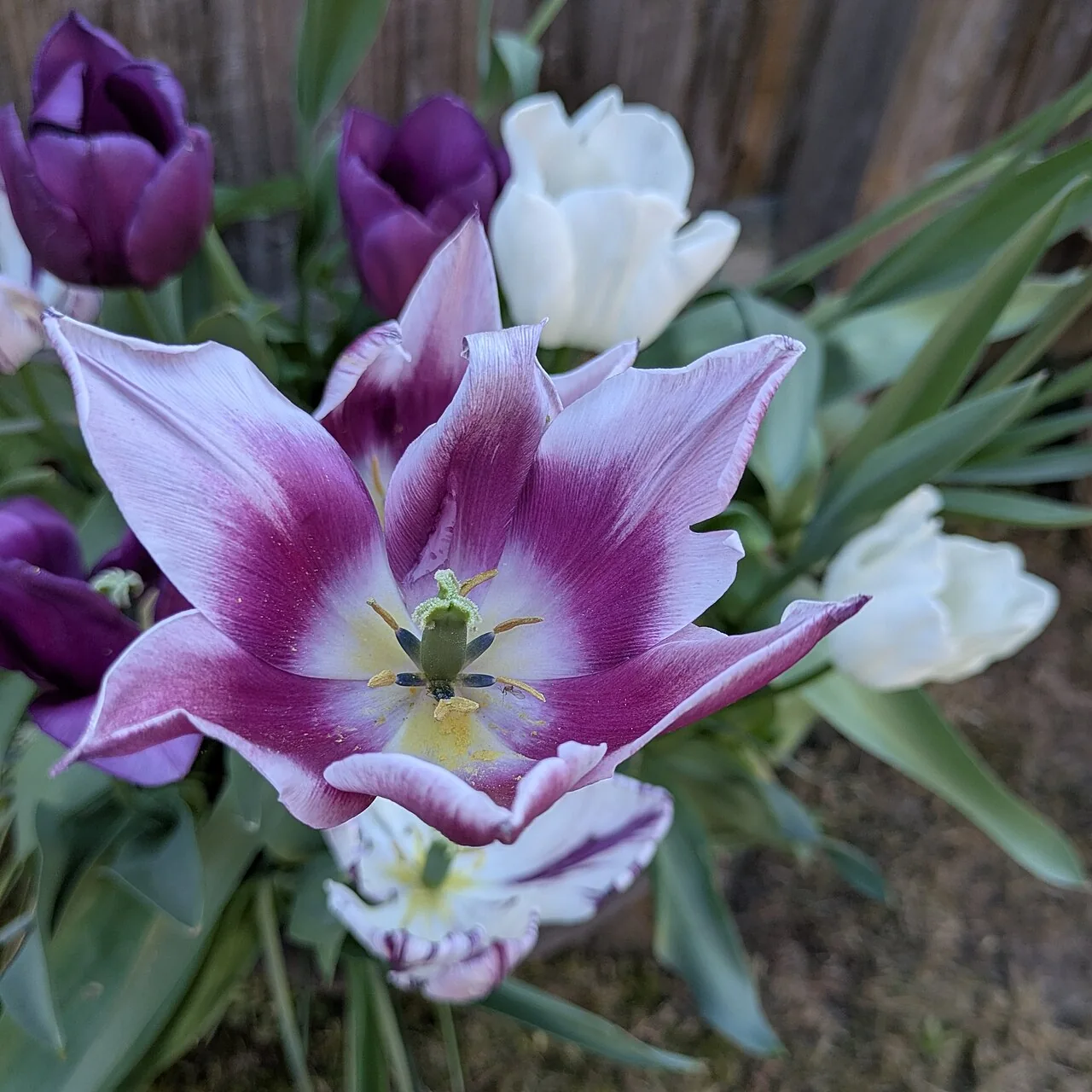
Rain often supplies enough water in a garden bed. During dry weather, soak the ground thoroughly rather than wetting just the surface. Keep caring for the plants while their leaves are still green, even after the flowers finish.
Check pots while the leaves grow
Tulips in containers need water during dry spells once the leaves appear. Letting them dry out can weaken growth and shorten flowering. Check the potting mix before watering so it stays moist without becoming sodden.
Keep pots out of standing water
If a pot becomes waterlogged before the bulbs emerge, move it to a sheltered place while it dries a little. Good drainage matters throughout the growing season. Return the pot to its usual position once the excess water has drained.
Why didn’t my tulips flower?
Not enough winter cold
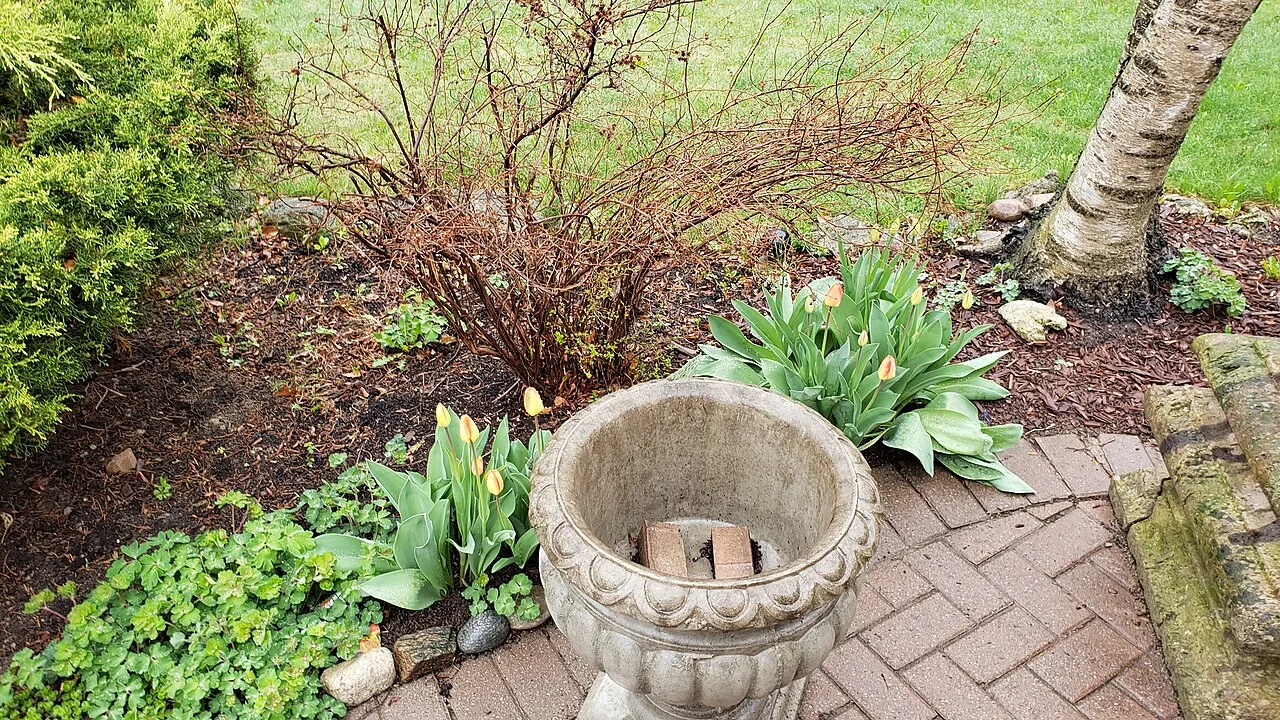
Bulbs need at least 12 weeks of cold before they can bloom. This is worth checking in a mild-winter garden or with an indoor pot. Bulbs prepared for forcing indoors should already have had their cold treatment.
Fewer flowers in the second year
Many large hybrid tulips flower strongly the first spring and less well afterward. This can happen even with good care. Species tulips often return more reliably, so the type you planted matters.
Leaves removed too early
Green leaves feed the bulb for next year. Cutting them off as soon as the flowers fade interrupts that work. Leave them until they wither and turn yellow, then clear away the dead growth.
After the flowers fade
Remove the spent flowers
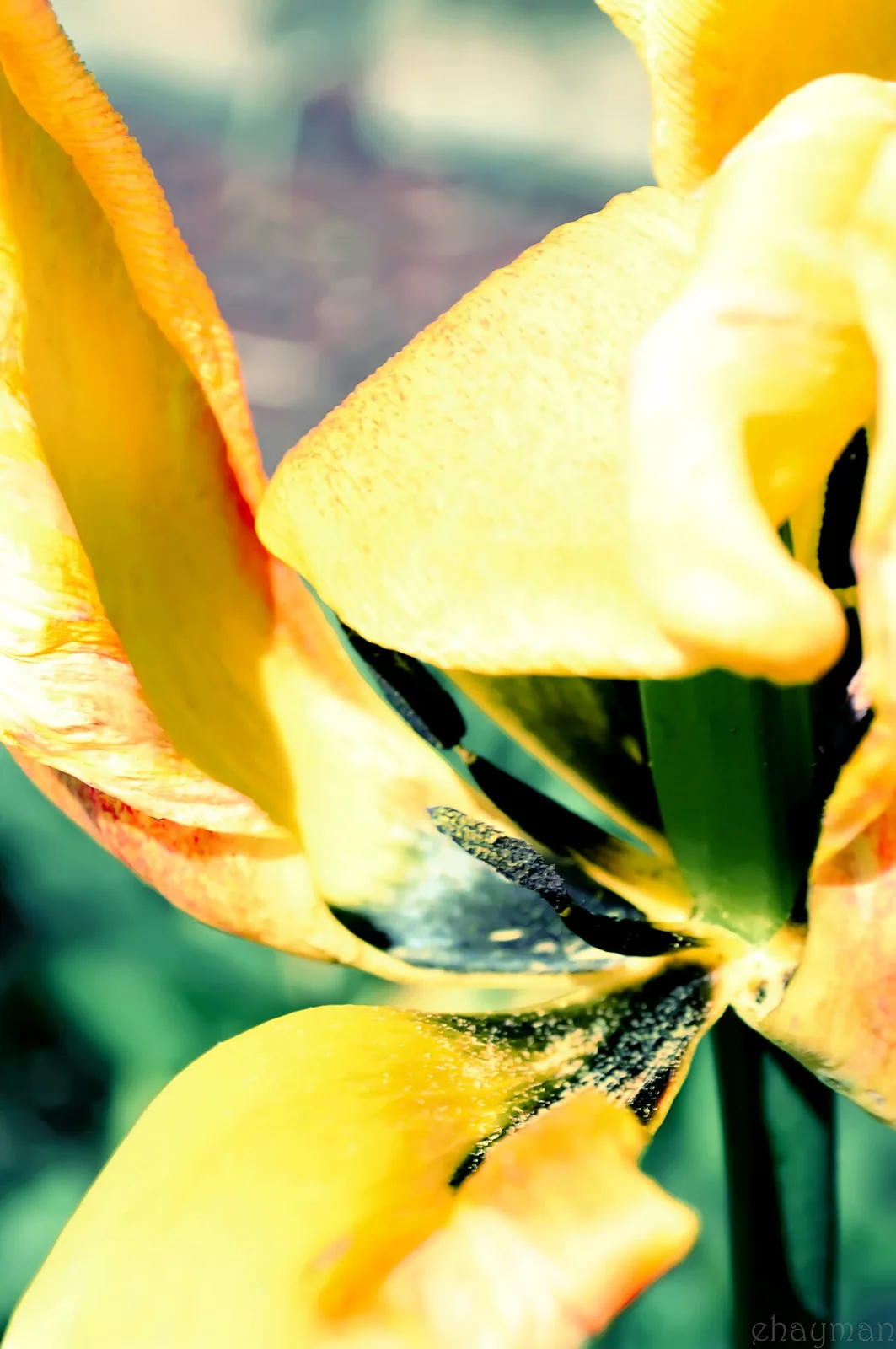
For garden tulips you want to keep, remove the faded flower stems to prevent seed formation. Keep the leaves attached while they are green.
Leave the foliage to finish
The leaves continue making food after flowering ends. Wait until they yellow and wither before removing them. This helps the bulb prepare for next year’s growth.
Move crowded bulbs later
Wait until the foliage has faded before lifting crowded bulbs. Dig up the clump carefully, separate the bulbs, and replant them where they have room.
Choose types that return well
Darwin hybrid and species tulips tend to last longer in the garden than many other tulips. If you want a bed that flowers again each spring, consider these when choosing bulbs.